A place-based 3D educational game exploring Okanagan ecosystems and the role beavers play in water retention and environmental restoration.
YEAR:
2024 – 2026
ROLES:
Environment Artist UI Designer Unity Developer Sound Designer Web Designer
MAIN TOOLS USED:
Unity
Github
Figma
Illustrator
Photoshop
Premiere Pro
ABOUT THE PROJECT
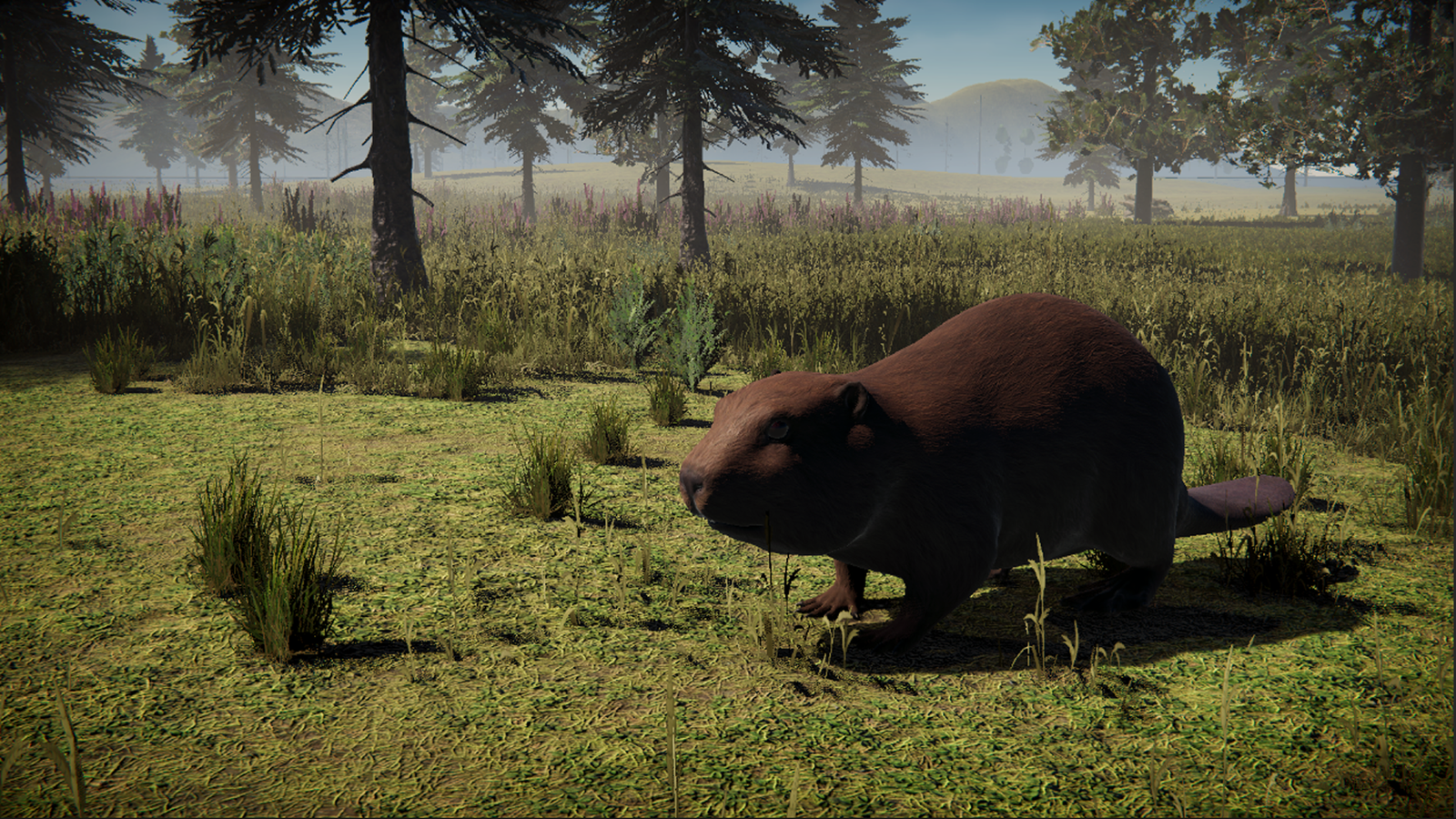
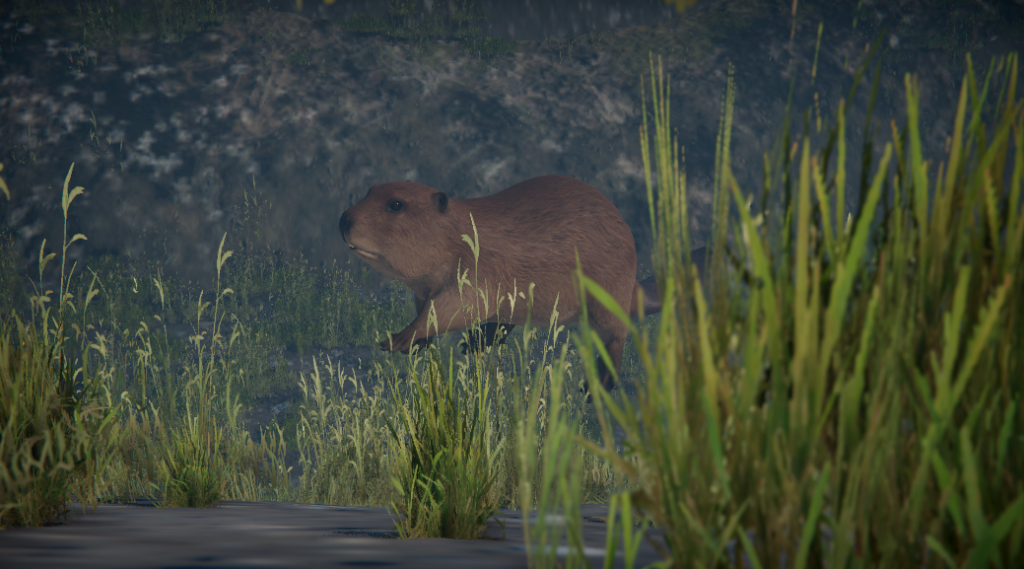
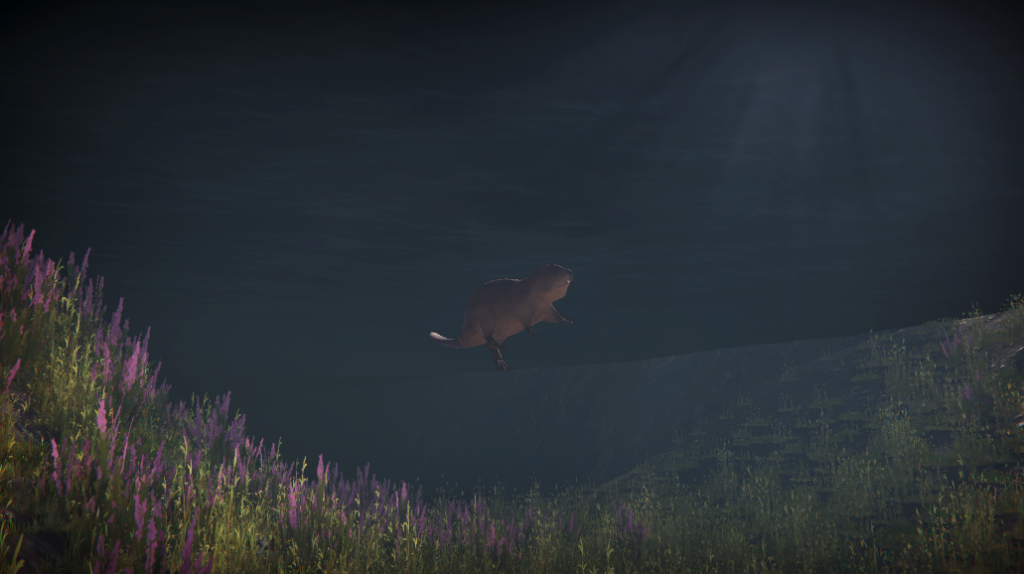
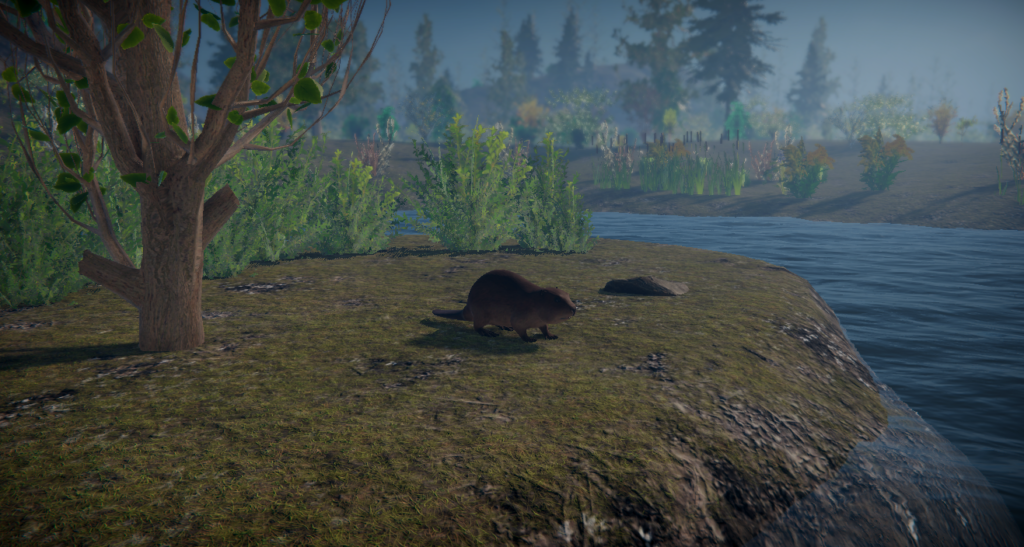
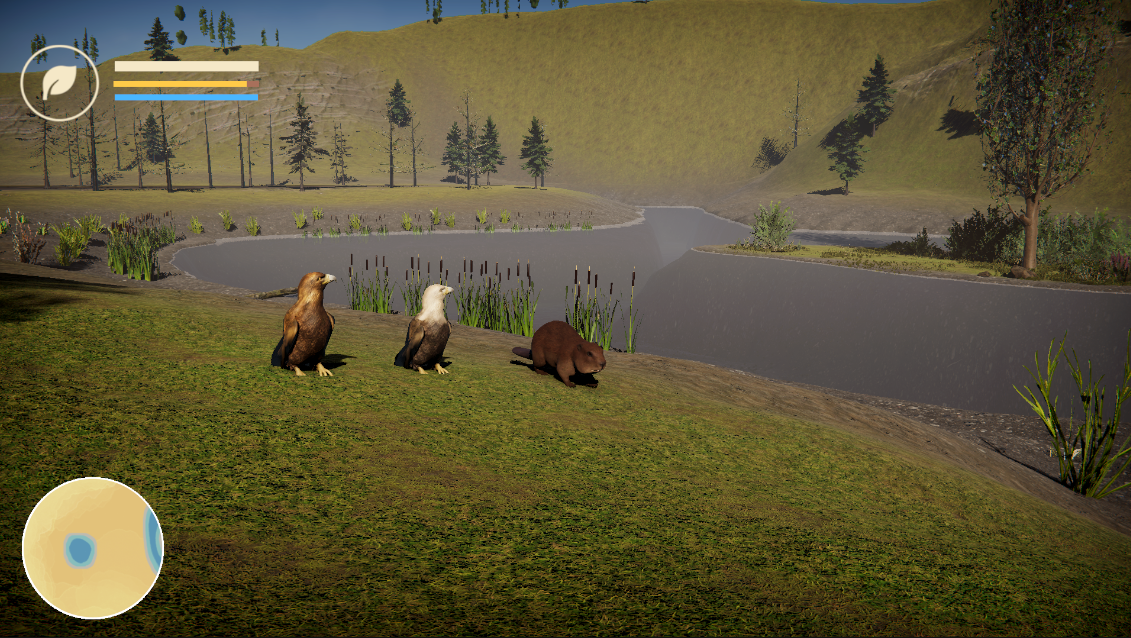
An educational game set in the Okanagan and developed at UBCO. Players take on the role of a beaver working to restore a degraded wetland into a thriving, biodiverse ecosystem. Through environmental storytelling and interactive gameplay, the game explores the importance of water retention and the beaver’s role in maintaining the region’s natural balance.
MY ROLE
Over the two years I worked on the project, my role expanded across environment art, UI design, sound design, game systems, and web design. Starting as an environment artist, I developed the 3D terrain and its various environmental states, eventually creating 16 variations of the river system to reflect different player choices and environmental outcomes.
Beyond the environment, my work grew to include UI design and implementation, prototype map illustrations, a base minimap system, game trailers, environmental audio, and interactive gameplay features. I also contributed to the project’s website, carrying its visual language from the game into its public-facing and educational materials. Working across so many aspects of the project gave me a broad understanding of the game and allowed me to contribute wherever my skills were needed throughout its development.
ENVIRONMENT ART
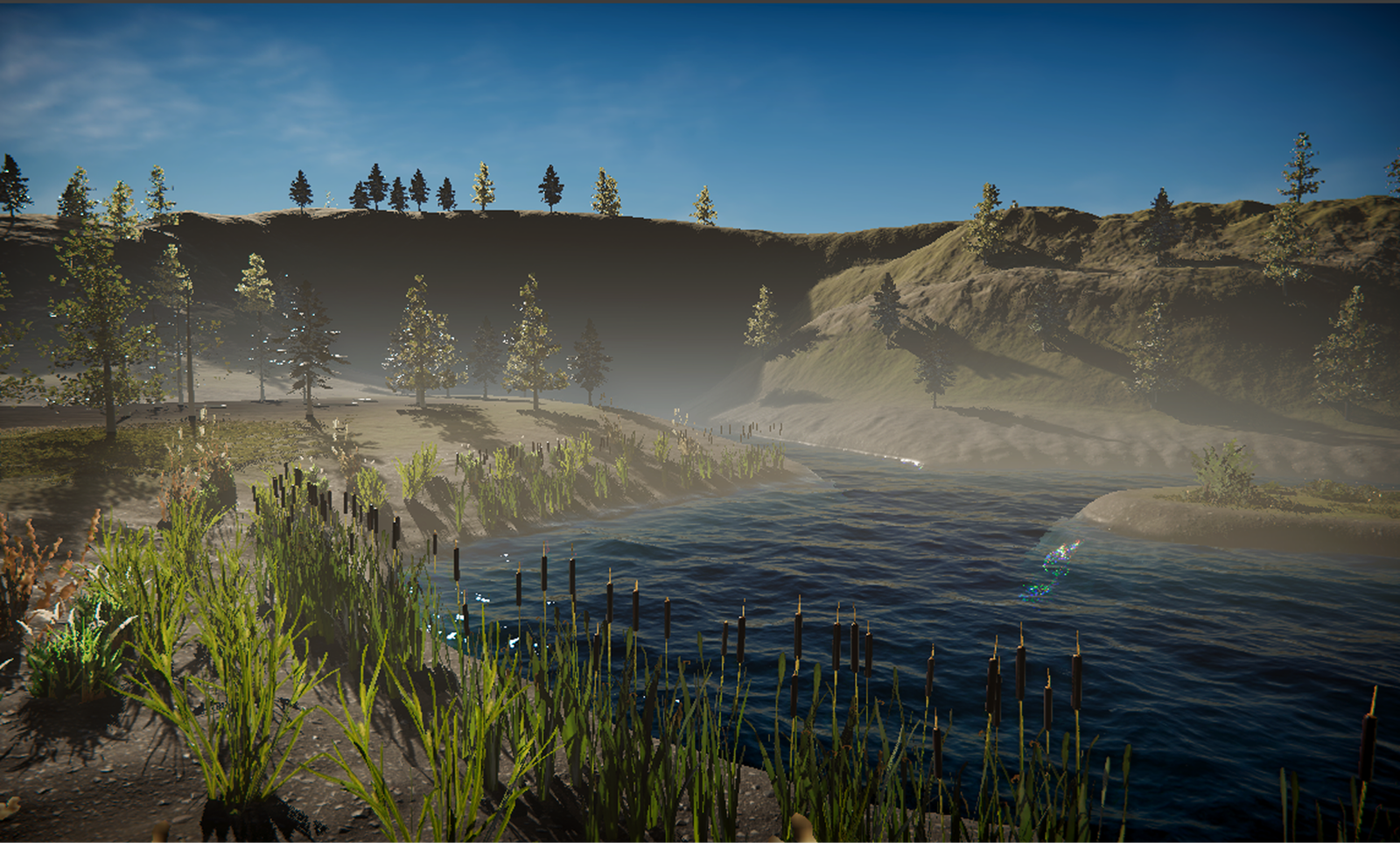
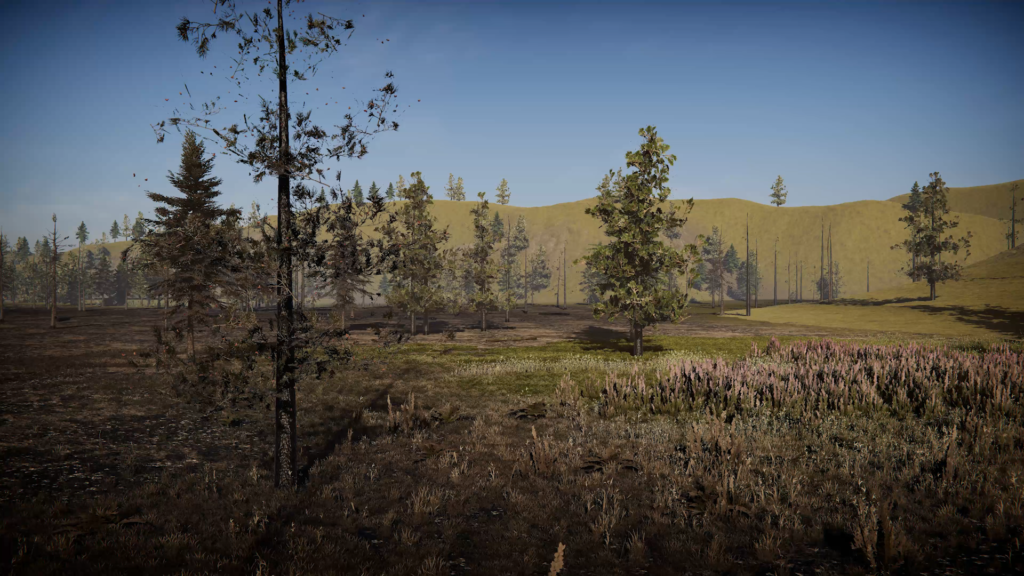
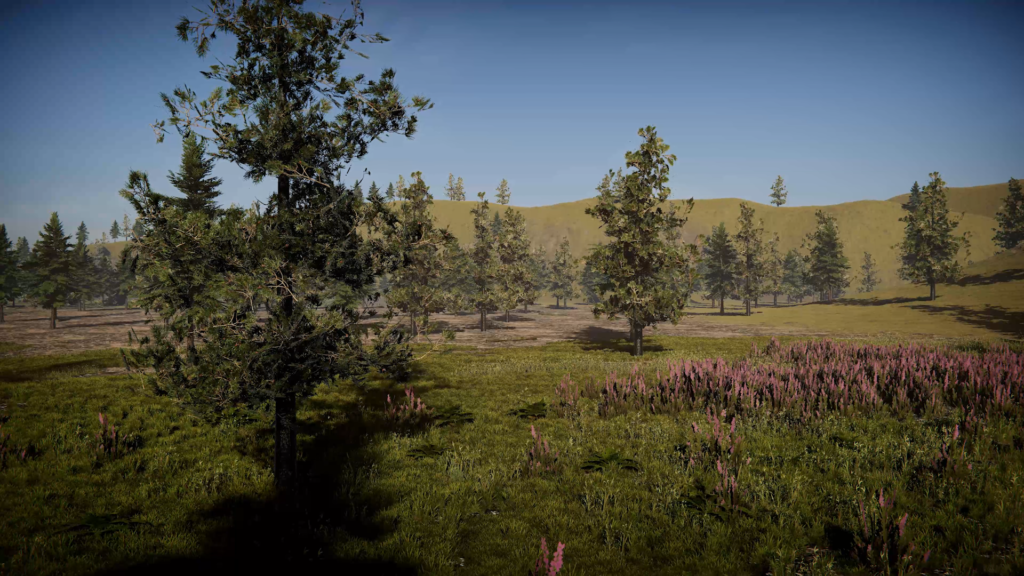
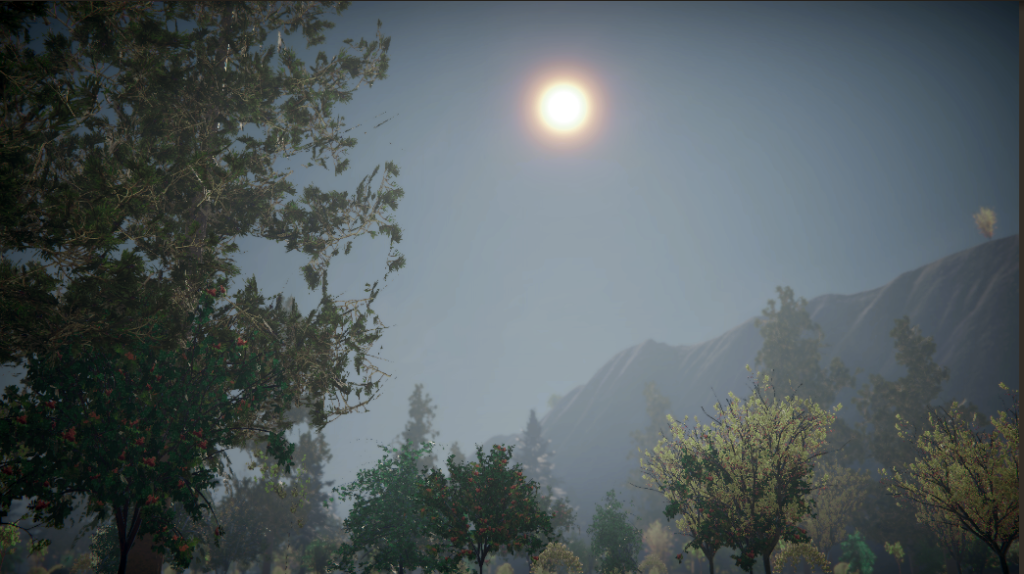
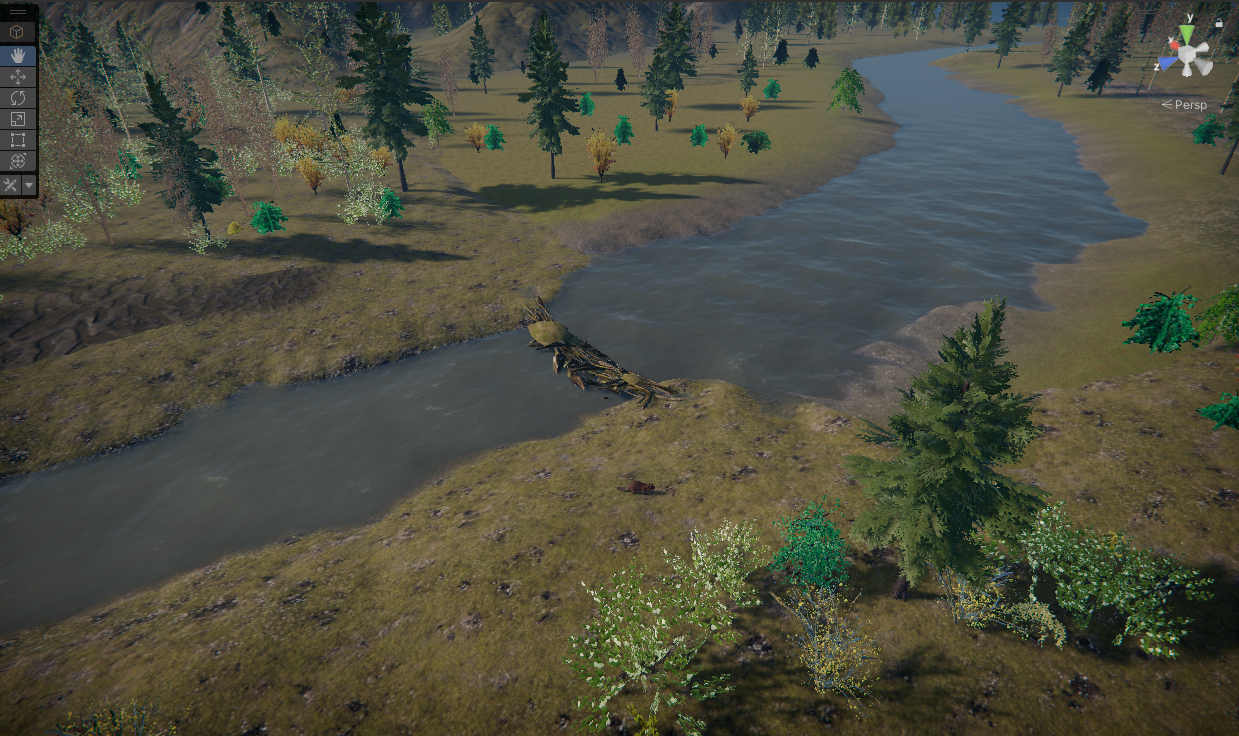
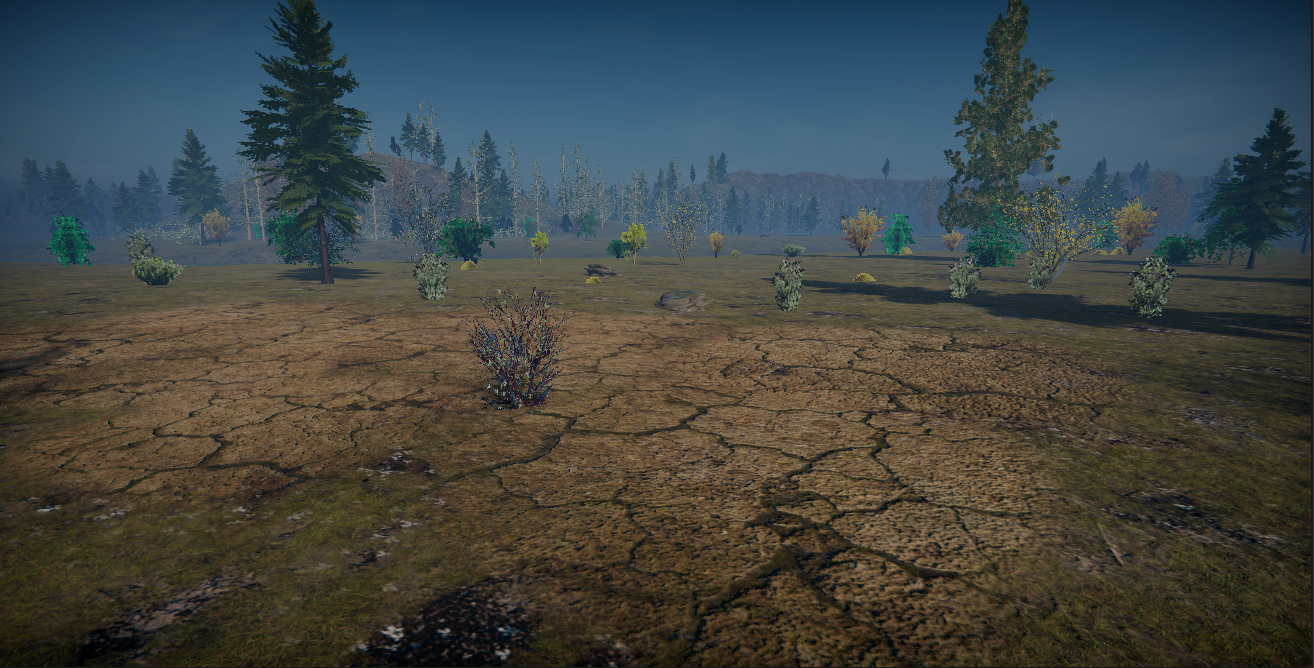
I initially joined the project as an environment artist, where I helped build the landscape based on real environmental information from the Okanagan. Our ecosystem engineer, Amir, provided maps showing where different plants would naturally be found, which I used as a guide when sculpting and developing the terrain.
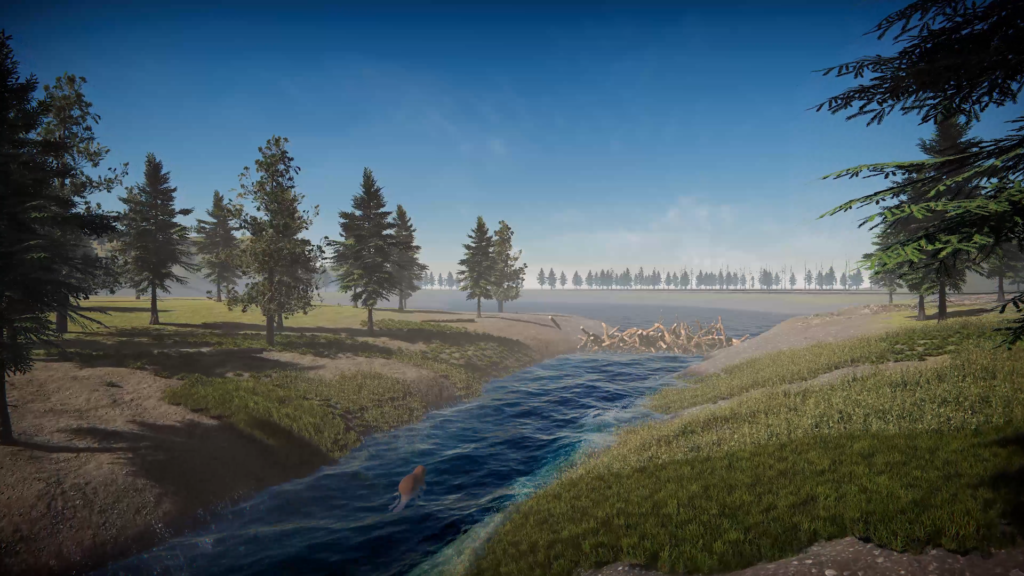
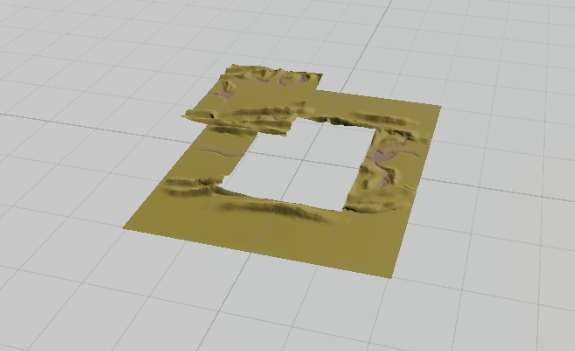
The environment starts off degraded, with burned and underdeveloped areas, and gradually becomes a lush, biodiverse landscape as the player progresses. I created different terrain variations to show the effects of the player’s dam-building choices, including new channels, larger ponds, and areas where water collects behind dams.
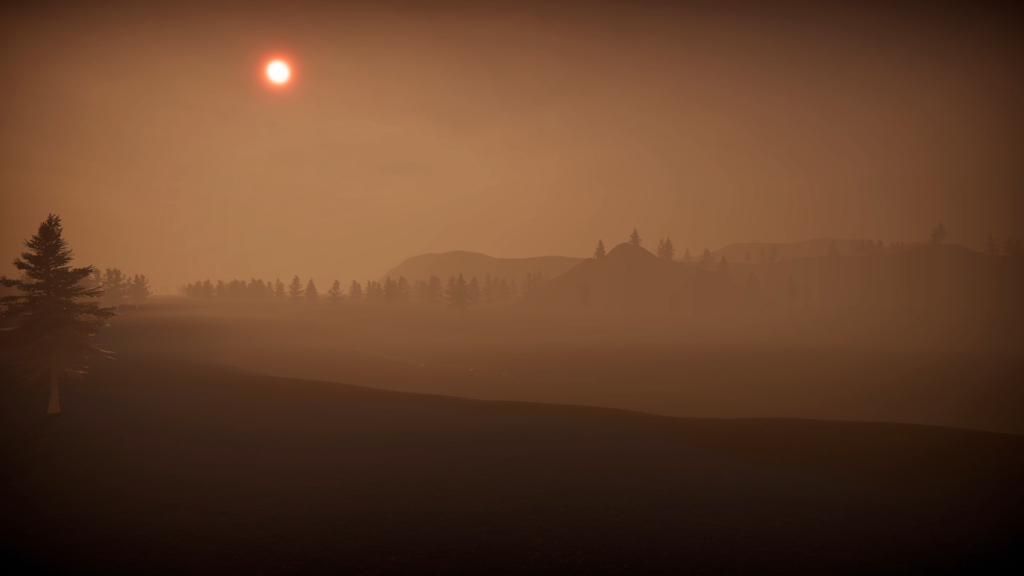
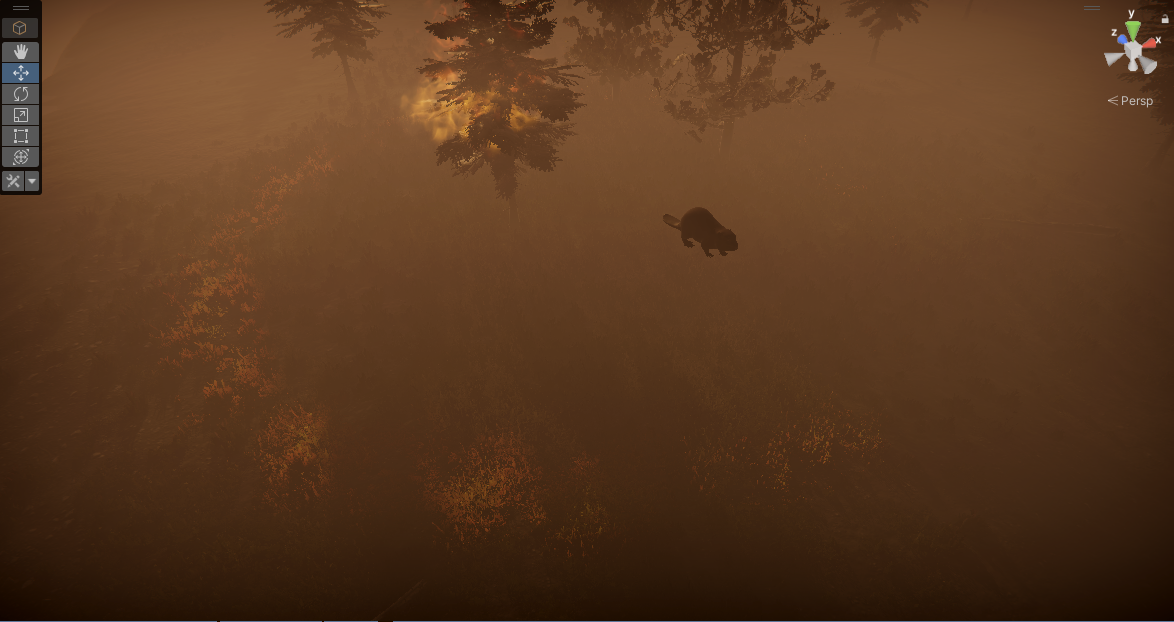
There are three possible dam locations, each creating different environmental outcomes. Altogether, I created 16 variations of the river system within a single scene. I also worked on flood and drought systems that raise and lower the water during in-game events, along with an environment profile that changes the landscape during the wildfire event.
UI DESIGN
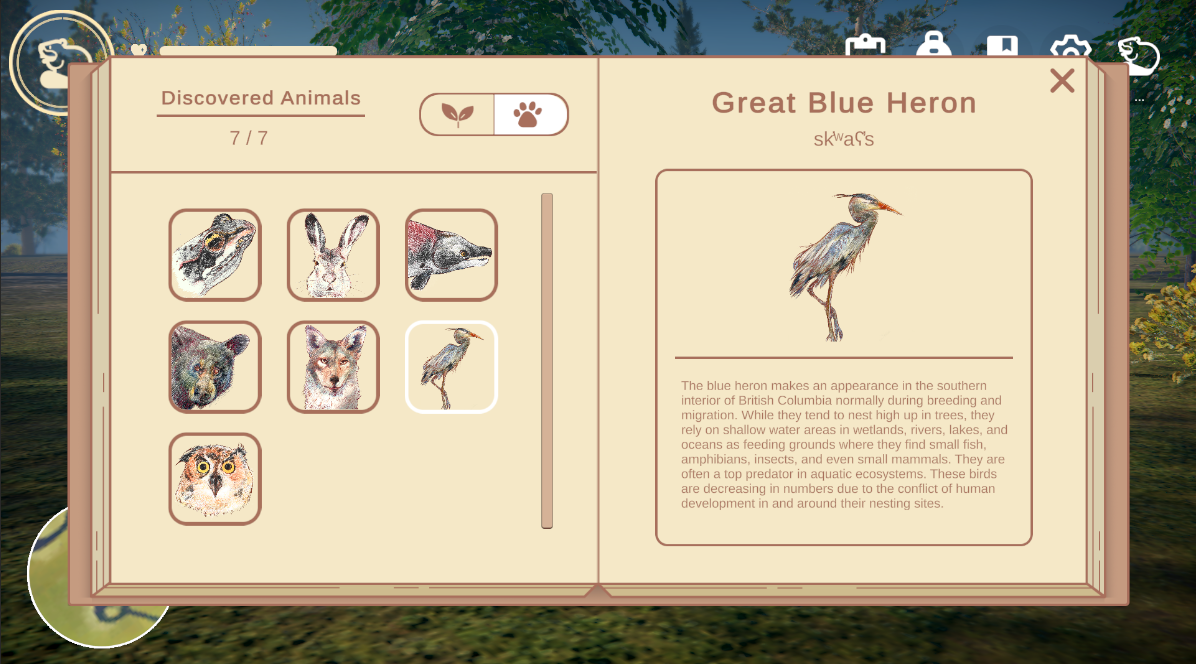
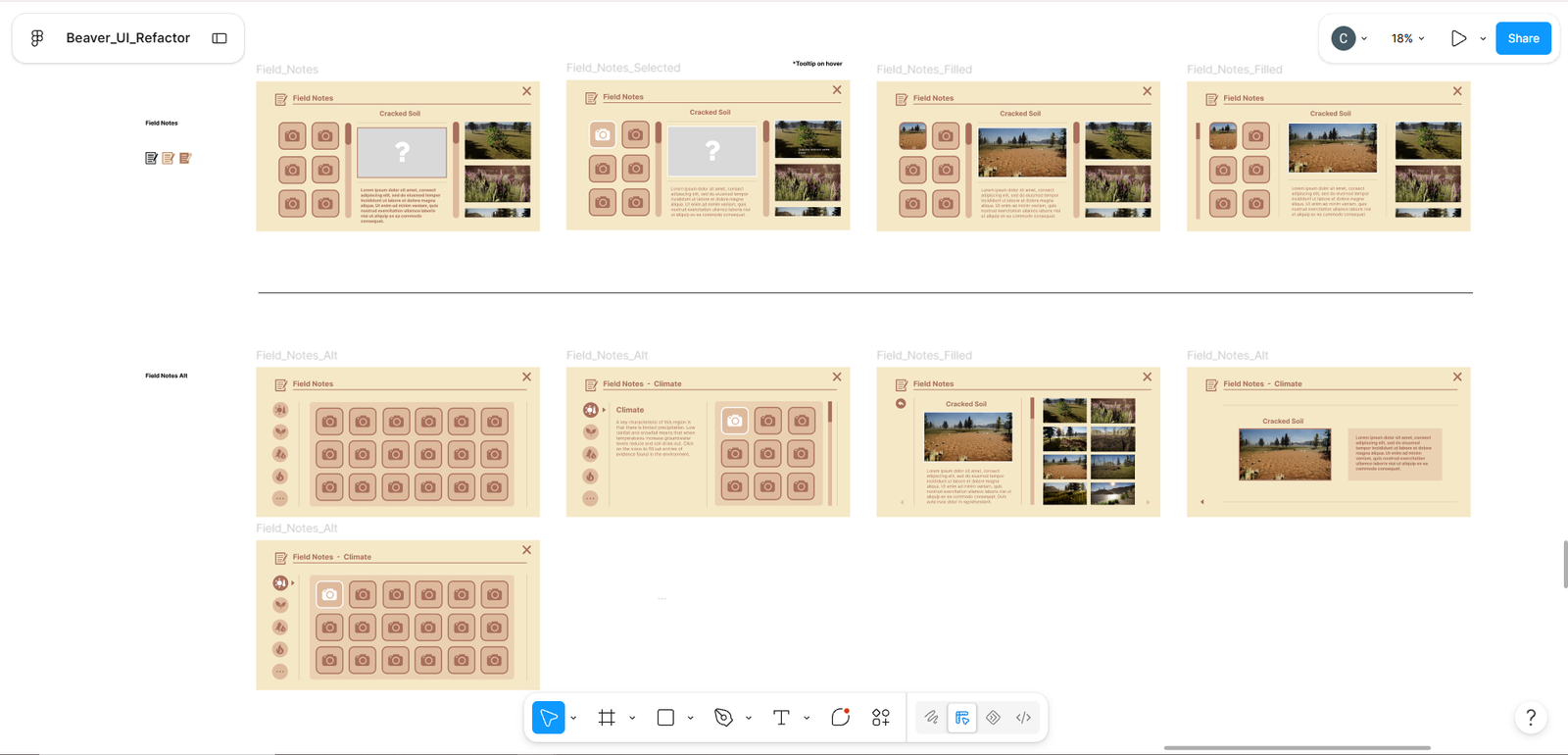
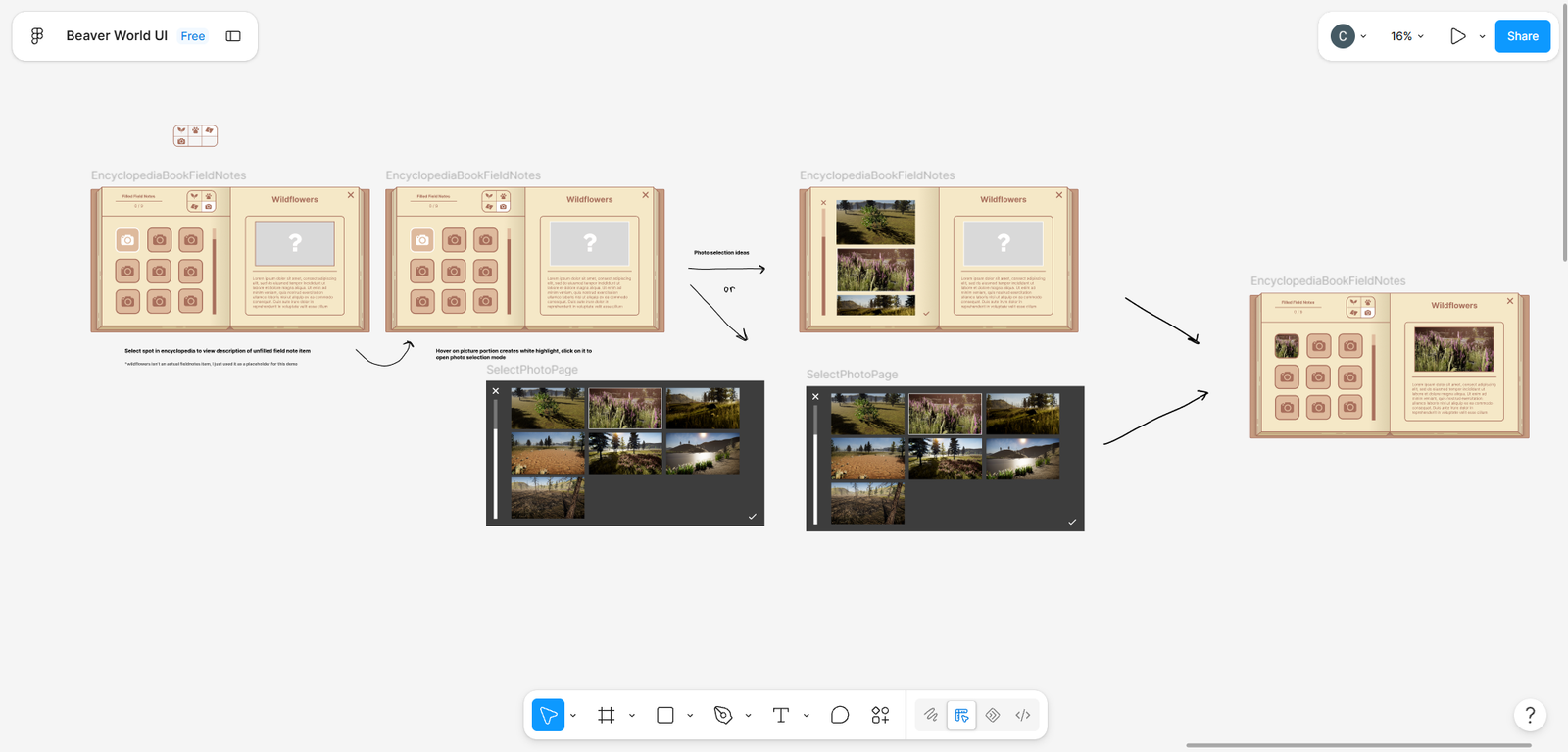
UI design became another part of my role after the project’s original UI designer, Yuzi Chu, graduated from her master’s program. I continued building from the visual style she had established, designing new menus and interface elements while keeping them consistent with the rest of the game.
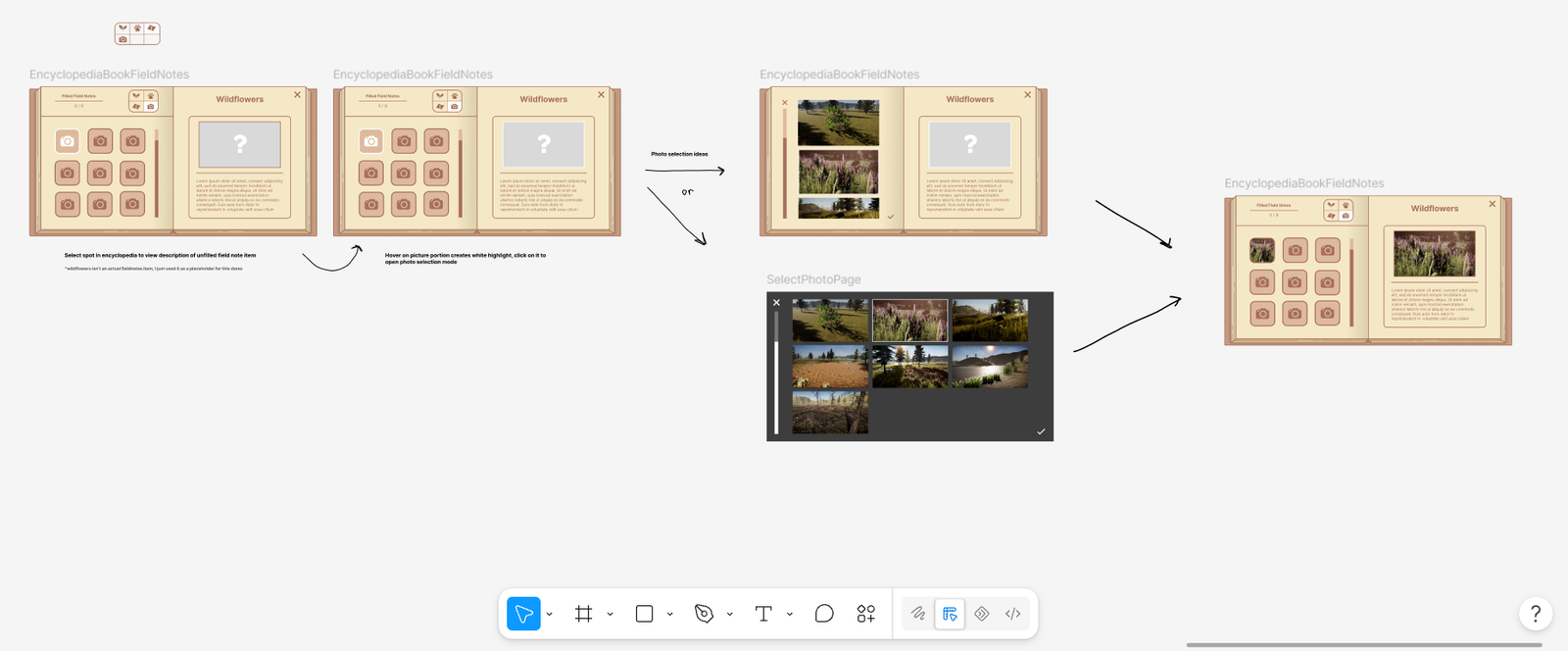
My work included designing layouts and visual elements in Figma, then bringing those designs into Unity for implementation and testing.
WEB DESIGN
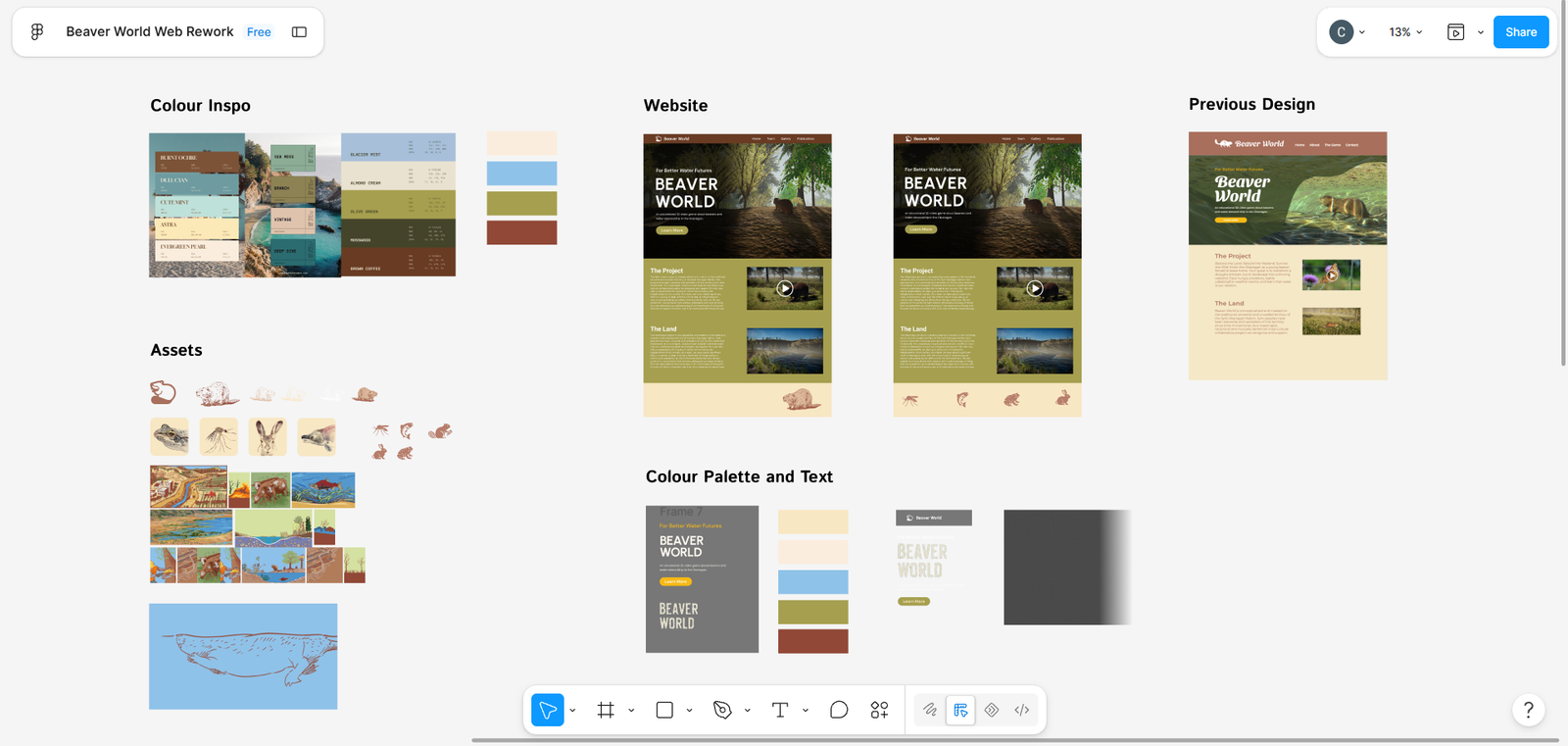
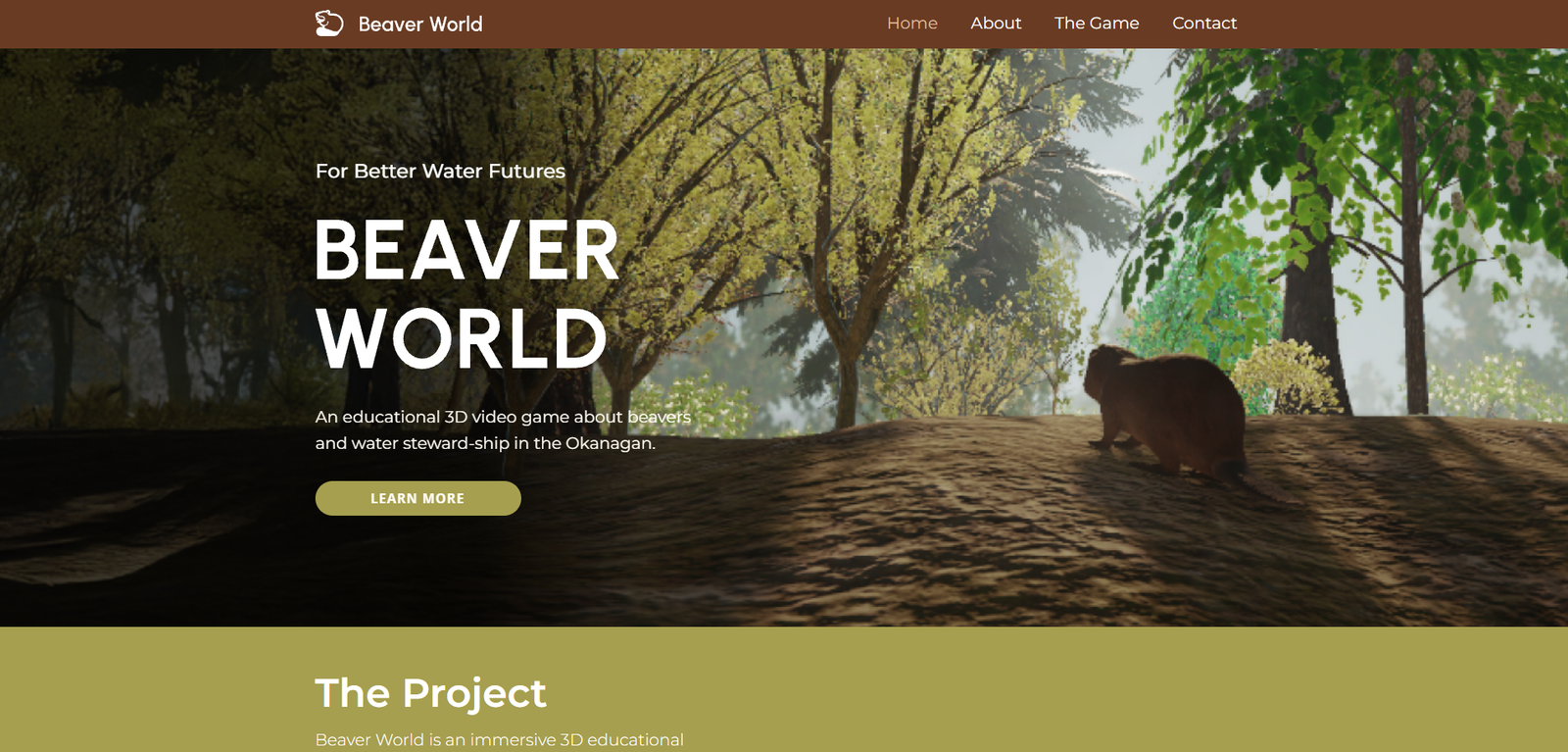
I took over the project’s website design after several iterations by previous team members. I redesigned the existing concept in Figma, developing a visual system and colour palette that better connected the website to the game and its educational content.
From there, I built the website in Nicepage and adapted the game’s visual style for a web-based audience. The website also needed to accommodate educational materials created for use in classrooms, so I focused on keeping the information approachable and easy to navigate.
2D MINIGAME
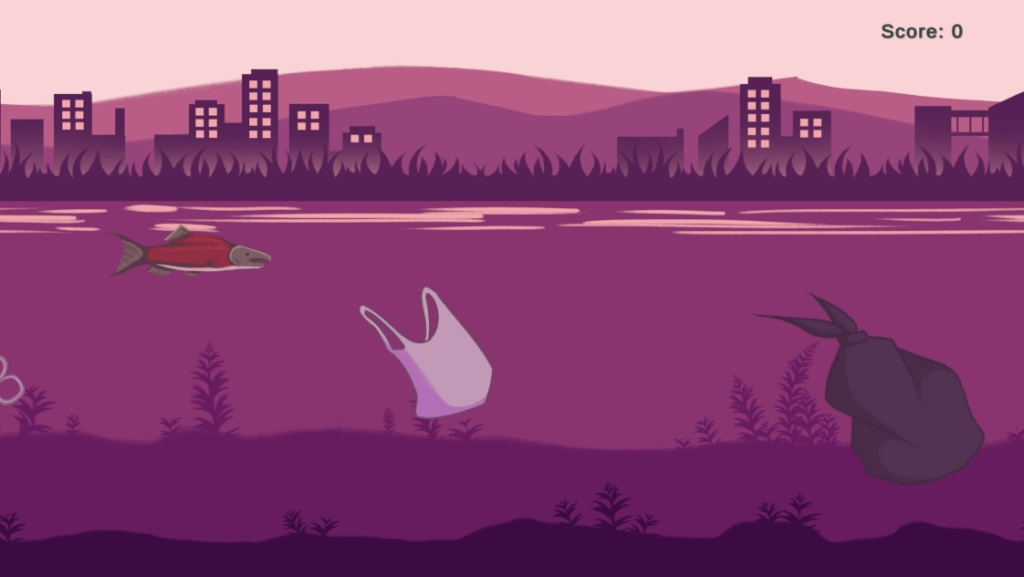
During an earlier iteration of the project, I illustrated and developed a 2D minigame following salmon as they migrate from the ocean and encounter challenges caused primarily by human activity.
Each level explores a different environmental challenge, including river obstacles, pollution, oil contamination, and changes in water oxygen levels. I created the minigame as a more interactive and engaging way to introduce educational content, using gameplay to show these challenges rather than simply explaining them through text. When the player fails, the game provides information about the challenge they encountered and practical actions people can take to help reduce its impact.
TOOLS & TECHNIQUES
Unity HDRP
Used Unity’s High Definition Render Pipeline to create detailed environments and support the project’s visual quality.
Unity Terrain Tools
Sculpted and developed terrain based on real environmental data and plant distributions from the Okanagan.
Visual Engine
Created toggleable environmental effects that transition the landscape between burned, degraded, and restored states.
Photoshop
Edited terrain textures and retextured animal models to better fit the project’s visual style and environment.
Figma
Designed game UI, menus, maps, and the project website.
Illustrator
Created and edited icons and other vector-based assets for the game and UI.
Nicepage
Built and implemented the project’s website based on the Figma designs.
GAMEPLAY
This content is blocked because it would connect to YouTube.
ENVIRONMENT HIGHTLIGHT REEL
This content is blocked because it would connect to YouTube.